Understanding Philadelphia's Unique Soil Composition
When you drive through Philadelphia, you're traveling over some of the most geologically complex terrain on the East Coast. The region sits at the intersection of the Piedmont and Atlantic Coastal Plain, which means the soil beneath your property is likely a mixture of schist, clay, sand, and silt. This geological reality has profound implications for anyone planning a Wood & Privacy Fence Installation.
Schist, a metamorphic rock common in the northern parts of Philadelphia and surrounding areas, is dense and compacted. It provides excellent foundation support for fence posts, but it can be extremely difficult to dig through. Clay soils, found throughout the region, retain moisture and can expand and contract with seasonal changes, which may cause posts to shift over time. Sandy soils, more prevalent in southern sections, drain quickly but offer less structural support. Understanding which soil type exists on your property is the first step toward a fence installation that will last for decades.
Do I Need a Permit for a Fence in Philadelphia?
One of the most common questions homeowners ask is whether they need a permit for their fence project. The answer in Philadelphia is almost always yes. The city requires permits for most residential fence installations, and the process exists to ensure that your fence complies with local building codes, property line regulations, and neighbor agreements. Skipping the permit process might seem like a shortcut, but it can lead to costly removal orders, fines, or legal disputes with neighbors.
The permitting process typically involves submitting site plans, property surveys, and fence design specifications to the Philadelphia Department of Licenses and Inspections. A permit application will require you to demonstrate that your fence respects setback requirements (the distance from the property line), meets height restrictions, and doesn't obstruct sight lines at street corners or driveways. While the process takes time and involves a small fee, it protects your investment and gives you legal documentation that your fence was installed correctly. If you're unsure about the requirements for your specific property, Philadelphia Fencing can guide you through the process or connect you with local officials.
Fence Height Regulations and Setback Requirements
Philadelphia has specific regulations governing how tall a fence can be and where it must be positioned on your property. Front yard fences are typically limited to 4 feet in height, while side and rear yard fences can reach 6 feet. However, these rules can vary depending on your zoning district, whether your property is in a historic district, and local neighborhood overlay regulations. The setback requirement, which dictates how far your fence must be positioned from the property line, is usually 0 to 6 inches from the line itself, but this varies by location and fence type.
Understanding these restrictions is crucial before you invest in materials or labor. A fence that exceeds height limits or violates setback rules can be ordered removed, regardless of how much you spent on installation. Additionally, if your fence blocks a neighbor's view, prevents emergency vehicle access, or interferes with utility lines, you could face citations or legal action. When you contact Philadelphia Fencing at (267) 214-2199 for a free estimate, our team will verify your local regulations and ensure your design complies with all city codes before we break ground.
HOA Approved Fence Designs and Community Standards
If your property is part of a homeowners association, you'll need to navigate an additional layer of approval before installing a fence. Many HOAs have strict architectural guidelines that dictate fence materials, colors, heights, and styles. An HOA approved fence design might require specific wood species, black or dark brown stain colors, or particular post spacing and picket styles. Some HOAs prohibit vinyl or chain link entirely, while others mandate them for consistency. Violating HOA rules can result in fines, mandatory removal, or legal disputes with your community board.
Before you select materials or schedule installation, contact your HOA's architectural review committee and request their fence guidelines in writing. Some HOAs require pre-approval drawings or samples before any work begins. Philadelphia Fencing has extensive experience working with HOA-governed communities throughout the region, and we can help you design a fence that meets both city regulations and your community's standards. Our team understands that an HOA approved fence isn't just about compliance; it's about enhancing your property value and maintaining good relationships with your neighbors.
Fence Installation Cost in Philadelphia: What to Budget
The cost of a fence installation in Philadelphia depends on multiple factors, including material choice, soil conditions, fence length, and local labor rates. A Wood & Privacy Fence Installation typically ranges from $25 to $50 per linear foot, while Vinyl & PVC Fence Installation may cost $30 to $60 per linear foot. Chain Link Fence Installation is usually the most affordable option at $10 to $25 per linear foot, and Aluminum & Ornamental Iron Fencing can range from $40 to $100 per linear foot depending on design complexity.
The soil composition on your property directly affects installation costs. If your yard contains dense schist, digging post holes will require specialized equipment and more labor hours, increasing your overall expense. Clay soils may require deeper post holes and concrete footings to prevent frost heave and settling. Sandy soils, while easier to dig, often need larger diameter posts or additional bracing for stability. The fence permit cost in Philadelphia typically ranges from $50 to $200, depending on your project's scope. When you request a free estimate from Philadelphia Fencing, we'll assess your soil type, measure your property, verify permit requirements, and provide a detailed quote that accounts for all these variables.
How Soil Type Affects Post Installation and Longevity
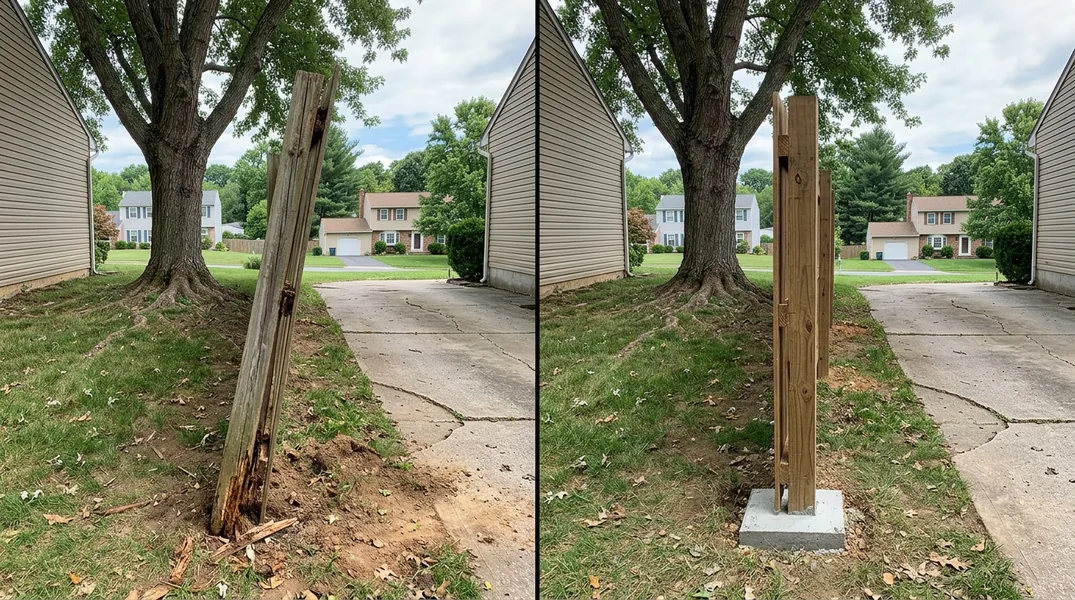
The behavior of your fence posts over time is almost entirely determined by the soil beneath them. In areas with schist bedrock, posts can be set shallower because the rock provides natural support, but the installation process itself requires more powerful drilling equipment. In clay-heavy soils, posts must be set deeper and often require concrete footings to prevent the clay from expanding and contracting seasonally, which can loosen posts and create gaps. Sandy soils present a different challenge: they don't compact well around posts, so deeper holes and concrete are often necessary to prevent posts from shifting under wind load or the weight of the fence itself.
Frost heave, a seasonal phenomenon where frozen ground pushes upward, is another soil-related concern. In Philadelphia's climate, frost heave can lift fence posts by several inches over winter, causing visible misalignment by spring. Posts must be set below the frost line (typically 3 to 4 feet deep in our region) to minimize this effect. A professional fence installer understands these soil mechanics and designs post installations accordingly. Philadelphia Fencing's experience with Philadelphia's varied terrain means we know exactly how to set posts for maximum longevity, whether your yard is rocky, clay-laden, or sandy.
Working With a Local Fence Contractor Near Me
Installing a fence that will withstand Philadelphia's weather, comply with local codes, and satisfy HOA requirements demands more than enthusiasm and a weekend of work. A local contractor brings knowledge of regional soil conditions, familiarity with city permitting processes, and relationships with inspectors and HOA boards. Philadelphia Fencing has served homeowners throughout the region for years, and we understand the nuances of each neighborhood's regulations and soil composition.
When you're ready to move forward with your fence project, call Philadelphia Fencing at (267) 214-2199 or request a free estimate online. We'll discuss your goals, assess your property's soil and setback requirements, verify permit and HOA requirements, and provide transparent pricing before we begin. Your fence is a significant investment in your home's security, privacy, and curb appeal. Let our team ensure it's done right the first time.
Looking for a professional tree service in Philadelphia? Philadelphia Fencing responds fast for all your fence needs.
Get a Free Quote