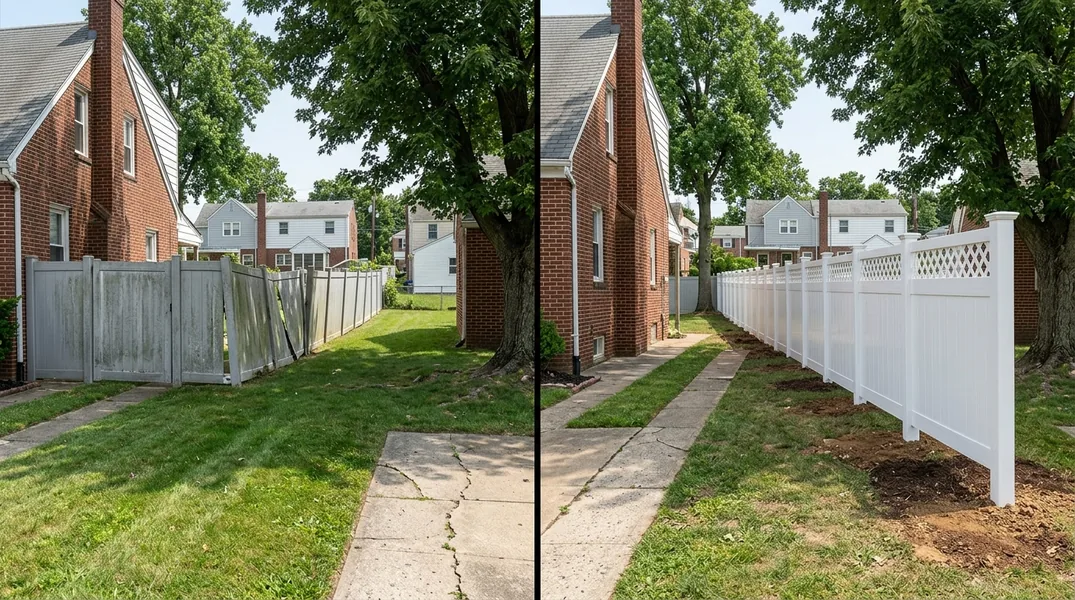
Fence Company in Philadelphia, PA: Installation, Repair & Gates
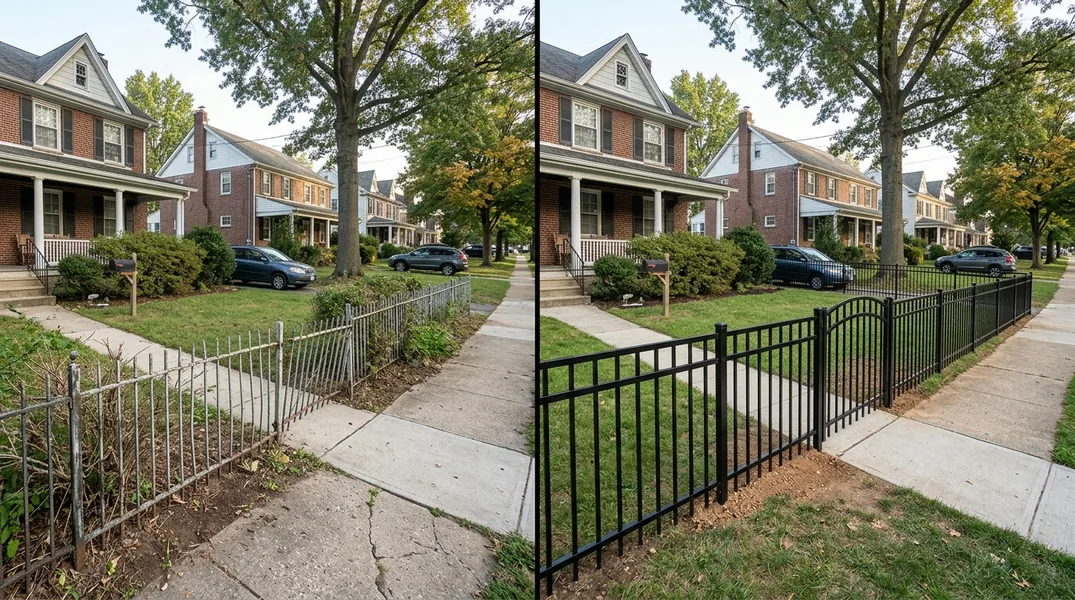
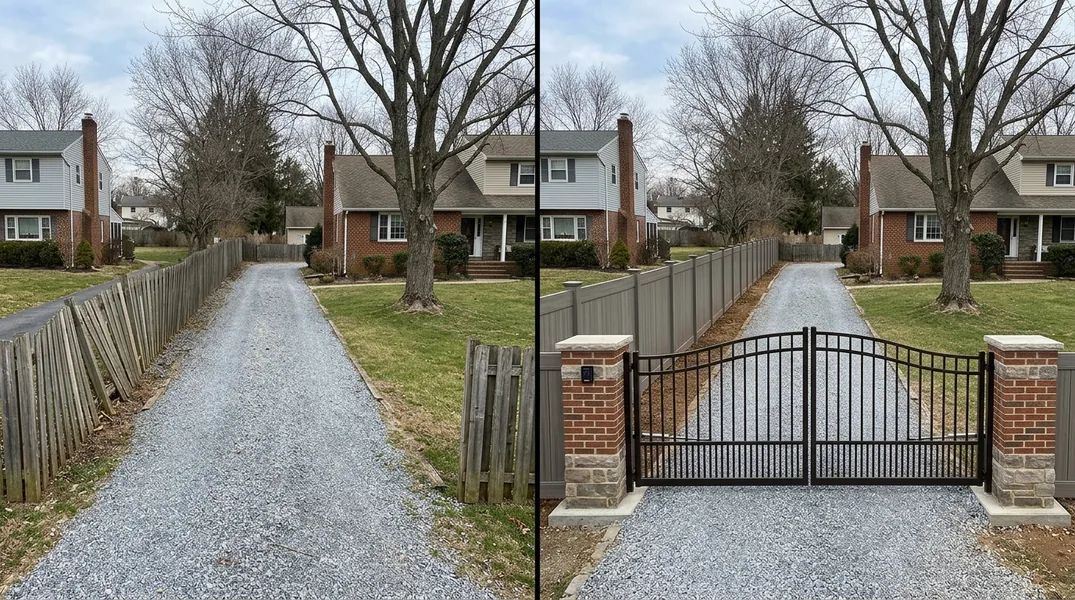
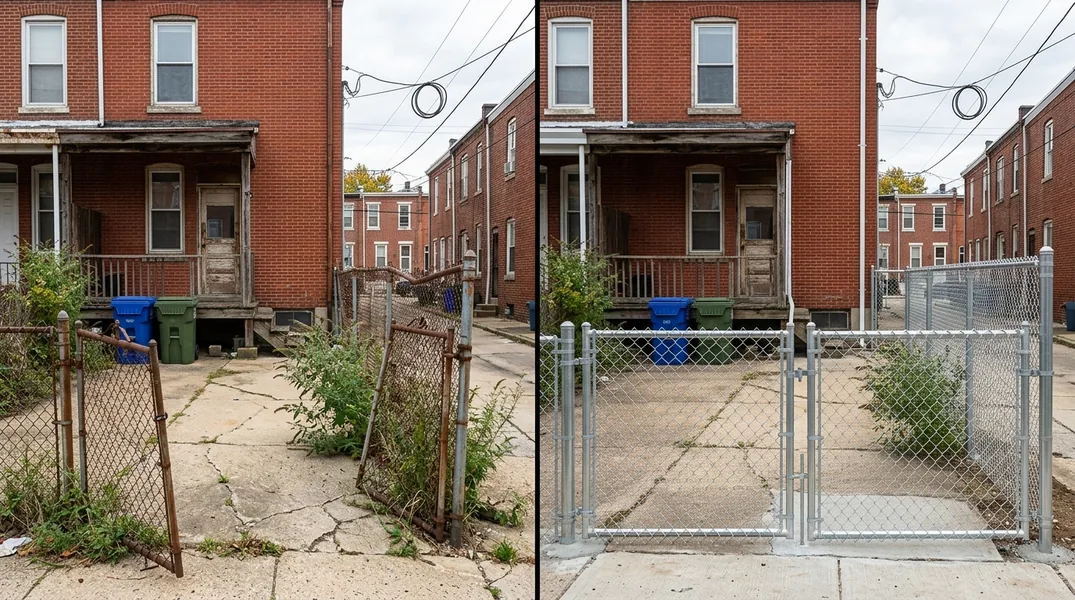
Philadelphia Fencing serves homeowners across Philadelphia and the surrounding areas, including King of Prussia, Norriton, Conshohocken and Media, with the full range of fence work: new installation in wood, vinyl, chain link and ornamental metal; repair of existing runs; gate installation and automatic driveway gates; and recovery from storm damage. We are a local fence company, not a national franchise. The same crews handle every job, and they know this soil, this housing stock, and the particular stresses that fences face here.
Whether you are looking for a fence contractor near me in Philadelphia to build a privacy fence along a narrow side yard, repair a gate that has come off its hinges, or document damage from a nor'easter for your insurance, we offer a straightforward estimate and honest guidance on whether repair will hold or replacement is the better spend. Call (267) 214-2199 for a free estimate, or explore our fence repair and installation services.
Why Fences Lean in Philadelphia: Clay Soil and Rotted Posts
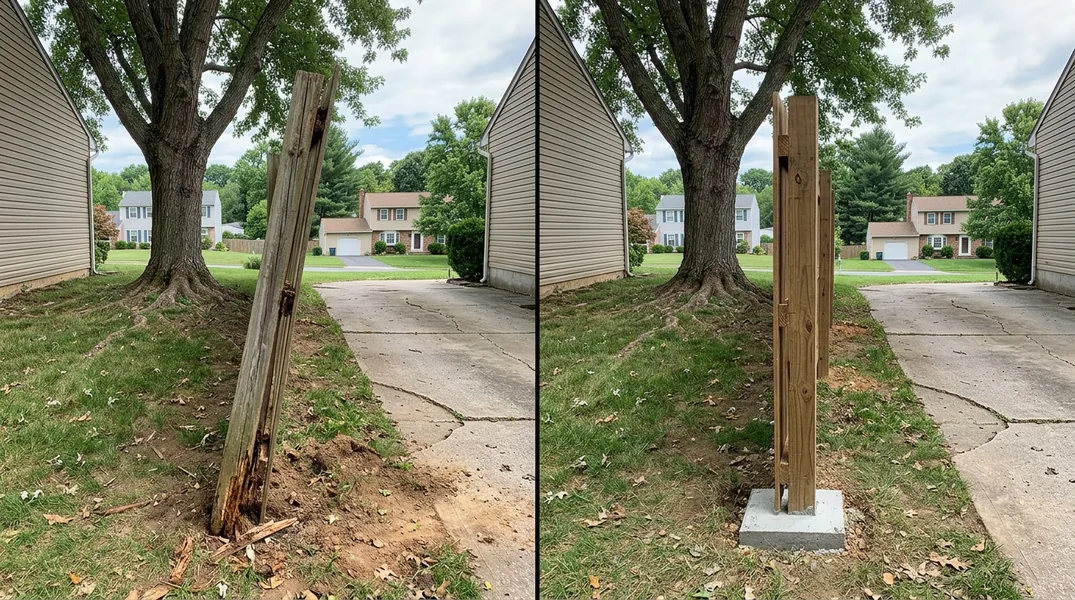
More fences in this region fail at the post than anywhere else on the run, and the reason is straightforward: the soil and climate work a post loose season after season. The clay here swells when wet and shrinks when dry, creating a pumping action that rocks a post back and forth in its footing year after year. Over time, this racking pushes the post out of plumb, and the fence visibly leans. At the same time, moisture at the ground line keeps the wood damp exactly where it carries the most load, and decay spreads from there upward. A leaning fence is almost always a post problem, not a panel problem, and the solution depends on what the inspection finds.
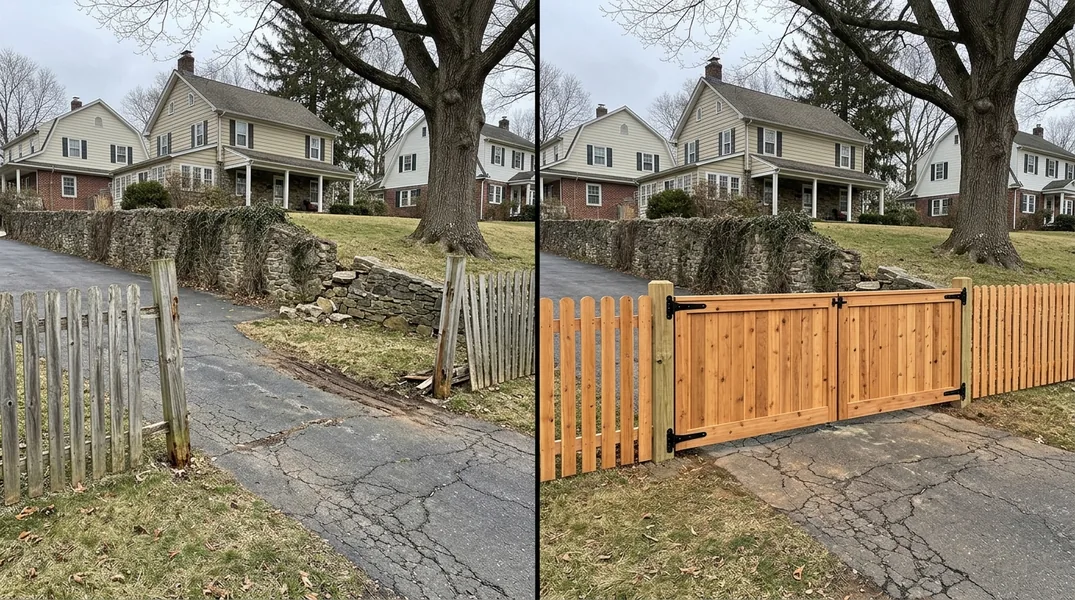
We walk the entire fence line rather than stopping at the section you called about, test every post by hand rather than the one that moved, and check whether the concrete footing itself has heaved or the post has failed inside a sound base. This tells us whether you are looking at fence post repair and replacement on a handful of weak points, or whether the posts have gone soft along the whole run. If the pickets and rails are sound and only a few posts have failed, resetting or replacing those posts saves the rest of the fence and costs far less than replacing the whole thing. If the posts have decayed at the ground line across the entire fence, replacing it once costs less over the next five years than patching it section by section. We quote both options when both are real, so you can decide. On rotted wood, we are clear about what we do and do not do: we replace wood that has decayed. Moisture at the ground line is the cause. We do not perform termite or pest inspections, apply chemical treatments, or carry out pest control, which is a separate regulated trade in Pennsylvania. A rotted post is replaced, and the fence is stronger for it.
Call (267) 214-2199 to arrange an inspection, or request a free estimate and we will walk your fence line and tell you what we find.
Storm Damage Fence Repair in Philadelphia
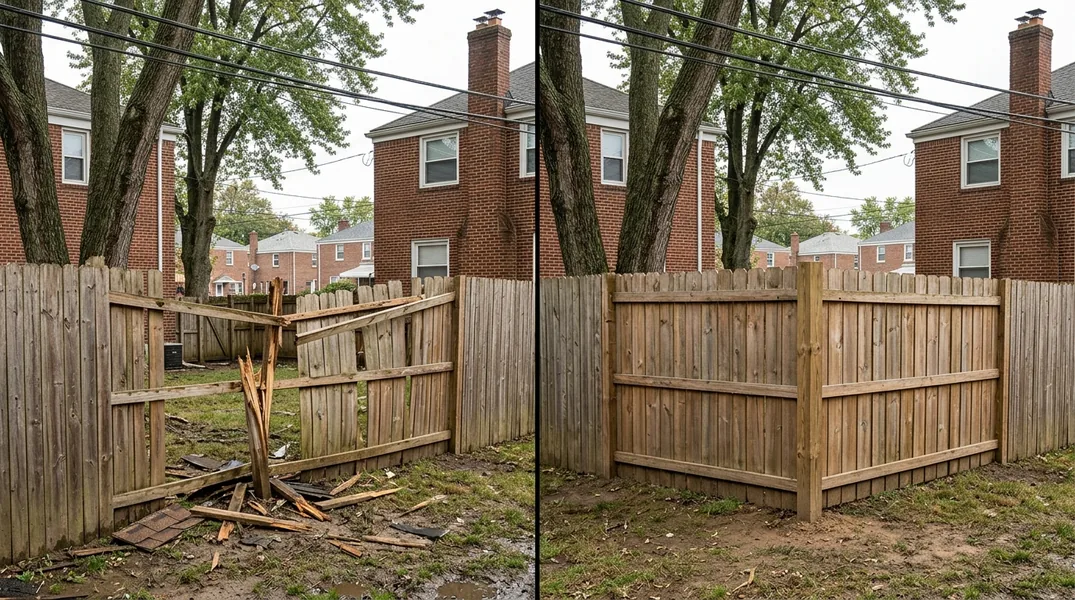
Nor'easters, summer thunderstorms and heavy wet snow bring down fence runs without warning, sometimes pushing whole sections over on the same line, snapping posts at grade, or tearing panels loose entirely. When that happens, the fence that goes back up should be stronger than the one that failed. Posts set deeper in concrete, or reset with better footing depth below the frost line, will hold through the next winter. We provide a free damage assessment, photograph the damage section by section, and give you a written estimate you may choose to provide your insurance carrier. We help you document what happened so you have a clear record.
What we do not do is promise that a claim will be approved or that any repair will be covered. Coverage decisions rest with your carrier, and the terms of your policy govern what they will pay. We never offer to waive, absorb or discount any part of a deductible. If you choose to file a claim, we can support that process with photographs and a detailed estimate, but the final decision on coverage is between you and your insurer. For a storm damage assessment, call us and we will come out and see what needs to be done.
Cedar, Pine, Vinyl or Chain Link: Choosing for This Climate
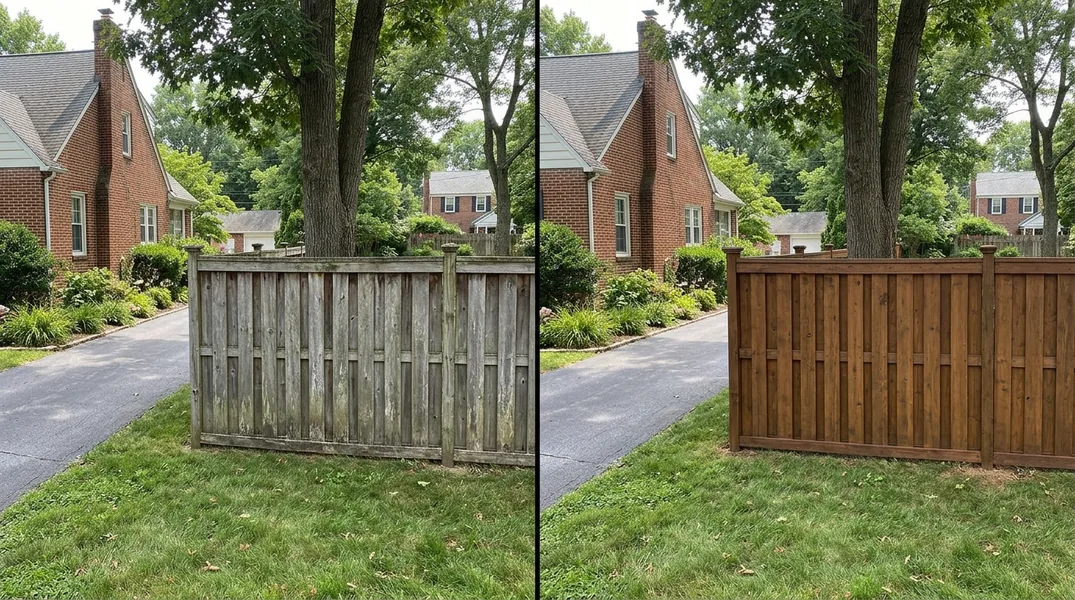
The material you choose shapes both the cost upfront and the work required to keep the fence sound. Cedar is beautiful and weathers to silver, but it wants cleaning and re-staining every two to three years under this sun and humidity, and that maintenance cycle is what decides whether it lasts closer to ten years or closer to twenty. Pressure-treated pine costs less and holds up without staining, though it will gray over time. Vinyl requires almost no maintenance and will not rot, but it expands and contracts with temperature swings and cannot be stained or painted if you want a different color later. Chain link is the toughest per dollar spent, and the gauge and mesh size determine how long it will hold; galvanized steel resists rust better than black powder-coated, though black looks sharper. Aluminum and ornamental iron suit pool barriers, front-yard displays and anywhere you want a finished look, and both can be racked or stepped to follow grade on a slope. Wood and privacy fence, vinyl, chain link and aluminum and ornamental iron each have their place.
Pricing is by the linear foot and is quoted on site, because slope, existing masonry, gate count, and whether we are tearing out an old fence all change the number. We assess what you have, explain the trade-offs honestly, and give you a clear estimate before we start.
Permits, HOA Rules, Property Lines & Pool Barriers
Fence height, setback, corner visibility and material are governed by local code, and requirements vary by city and county across the Greater Philadelphia area. In most jurisdictions, a permit is required before installation begins, though some do not require one for repairs. Many cities in the area set a standard height limit for rear and side fences, often six feet, with lower limits in front yards. If you live in a master-planned community with an HOA, the architectural standards usually govern height, material and color, and approval is typically required before work starts. It is worth checking your deed restrictions and contacting your HOA before you plan the fence. On the property line itself, we install on the line you identify, working from your existing survey or plat. We are fence contractors, not land surveyors, and we do not determine where a boundary lies or interpret a property survey. If you are uncertain about the exact line, or if the fence will sit on a boundary shared with a neighbor, confirming the line in writing beforehand and getting any necessary neighbor or association consent saves complications later. A licensed land surveyor can provide a definitive boundary determination if you need one.
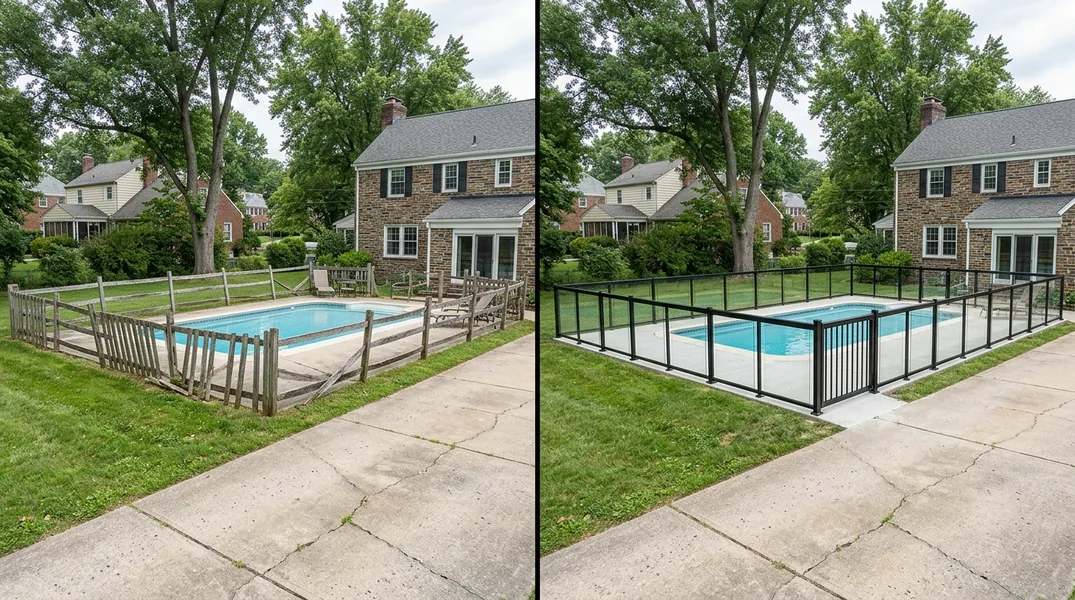
Pool barriers must be installed to meet the pool barrier codes that apply at your address, with self-closing self-latching hardware to prevent unauthorized entry. We install pool fencing to code, but we do not certify compliance, and we are not licensed pool barrier inspectors. Final determination of compliance rests with the local building official or authority having jurisdiction. A barrier is a critical safety measure, but it does not replace supervision of children or swimmers. Before we dig post holes, we request a Pennsylvania 811 utility locate to mark underground lines. The locate service covers participating operators only and does not mark private lines such as irrigation or landscape lighting, so please tell us about any private utilities on your property. Requirements vary across jurisdictions, and rules change. Always verify with the Philadelphia building department and your HOA before starting your project. Call (267) 214-2199 or request a free estimate and we will answer your questions and walk through the process.
Ready to get started? Philadelphia Fencing serves in Philadelphia and surrounding areas. Book your free on-site estimate today.
Get Your Free Estimate