Why Philadelphia's Weather Is Uniquely Hard on Fences
If you own a fence in Philadelphia, you've probably noticed it takes a beating. It's not just the occasional windstorm or heavy snow. The real culprit is the combination of freeze-thaw cycles, nor'easters, and soil movement that defines a Philadelphia winter. Understanding these forces helps you choose the right fence material and maintenance strategy for your property.
The region's climate sits in a precarious zone. Winter temperatures fluctuate above and below freezing repeatedly from November through March. This constant cycling of ice formation and thaw creates tremendous stress on fence posts, boards, and fasteners. Add in the Atlantic nor'easters that slam the region with heavy wet snow and sustained winds, and you're looking at conditions that test even well-installed fencing. Many homeowners don't realize that the damage they see in spring isn't from a single storm, but from months of cumulative stress.
Frost Heave: The Silent Fence Killer Nobody Talks About
Frost heave is the primary reason fences fail in Philadelphia. Here's what happens: when the ground freezes, water in the soil expands as it turns to ice. This expansion pushes fence posts upward, sometimes by several inches. When the frost melts in spring, the post settles back down, but not always into its original position. Over multiple freeze-thaw cycles, the post becomes loose, tilted, or cracked at the base.
This process is particularly destructive because it's invisible while it's happening. A homeowner might not notice anything wrong until spring arrives and they see a section of fence leaning or posts that have separated from their concrete footings. The damage compounds year after year. Posts that have been heaved multiple times lose their structural integrity, and the fasteners holding rails and boards become compromised. This is why proper post installation, with adequate concrete depth and drainage considerations, matters so much in our region.
Nor'easters: How Atlantic Storms Damage Fence Structures
A nor'easter is a winter storm that moves up the Atlantic coast, bringing heavy snow, freezing rain, and sustained winds of 35 to 60 miles per hour or higher. Philadelphia sits directly in the path of these storms, and fences bear the brunt of the impact. The combination of wet, heavy snow and strong winds creates enormous lateral pressure on fence panels. Unlike a brief gust, nor'easters maintain pressure for hours, which can cause wood to flex beyond its design limits and fasteners to fail.
The danger is amplified when a nor'easter follows a freeze. If the ground is frozen solid, fence posts cannot shift or give way under pressure. Instead, the stress transfers directly to the boards and rails. This is when you see boards split, rails crack, or entire sections collapse. Metal fasteners can bend or pull through wood. The damage pattern from a nor'easter often looks like the fence was hit by a truck, with panels pushed inward or outward and visible splintering along the grain.
Material Matters: Which Fence Types Hold Up Best in Philadelphia Winters
Not all fence materials respond equally to Philadelphia's harsh winters. Wood & Privacy Fence Installation is popular for aesthetics and cost, but wood is vulnerable to frost heave damage and nor'easter impact. Wood absorbs moisture, which expands when frozen and contracts when thawed. Over time, this cycling causes warping, cracking, and rotting. However, properly treated wood with adequate post installation and regular maintenance can last 15 to 20 years in our climate.
Vinyl & PVC Fence Installation offers better weather resistance. Vinyl doesn't absorb water, so it won't rot or warp from freeze-thaw cycles. It's also more flexible than wood, which helps it absorb the lateral pressure from nor'easters without cracking. The downside is that vinyl can become brittle in extreme cold, and repairs are more expensive. Chain Link Fence Installation is another durable option, especially for practical applications. Chain link flexes with wind and doesn't suffer from frost heave the way rigid materials do, though the posts still require proper installation to prevent movement.
Aluminum & Ornamental Iron Fencing provides excellent longevity in our climate. Metal doesn't absorb water or warp from freeze-thaw cycles. Aluminum is lightweight and flexible, while wrought iron is extremely strong. Both require proper post installation and periodic maintenance to prevent rust, but they can last 30 years or more with care. If you're building a new fence in Philadelphia and want maximum durability, metal options deserve serious consideration.
How to Protect Your Fence from Winter Damage: Installation and Maintenance
The best defense against frost heave and nor'easter damage starts with proper installation. Fence posts must be set deep enough to resist heaving, typically 3 to 4 feet in the ground for residential fences. The concrete footing should be larger at the base to anchor the post firmly. Drainage around the post is critical. If water pools around the base and freezes, it accelerates heave. A slight slope away from the post helps water drain. Many homeowners don't realize that DIY installation or bargain contractors often skip these details, creating problems that show up within a year or two.
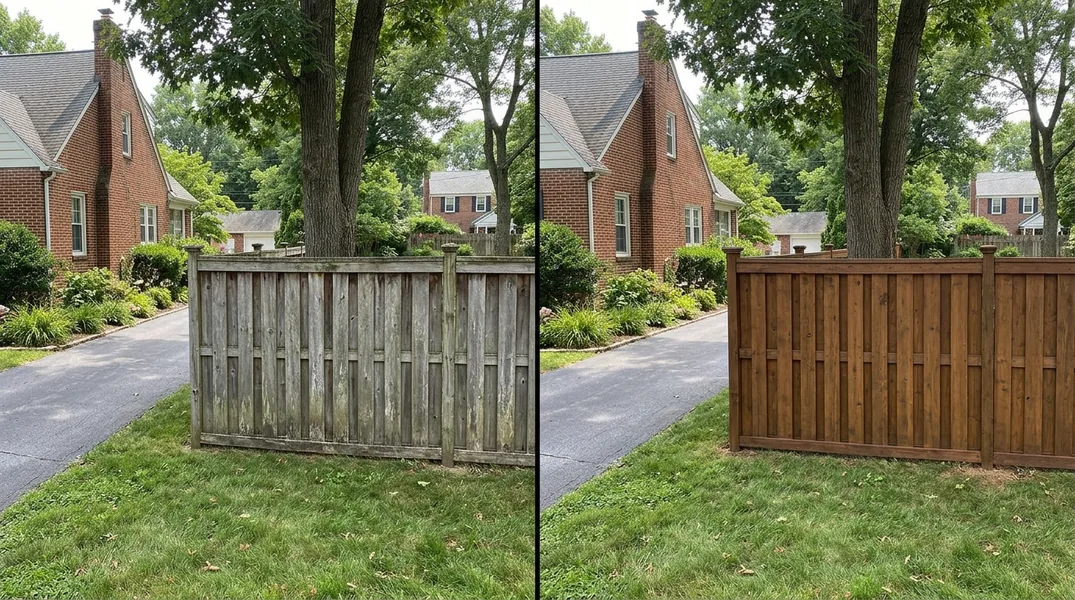
Regular maintenance extends the life of any fence in Philadelphia. For wood fences, this means inspecting for signs of rot, checking fasteners for rust, and applying sealant every two to three years. After a major nor'easter, walk your fence line and look for loose boards, separated rails, or tilted posts. Catching damage early prevents small problems from becoming expensive repairs. For vinyl and metal fences, maintenance is lighter but still important. Clean debris from corners, check for loose fasteners, and address any rust spots promptly.
If you're planning a new fence or replacing a damaged one, this is the time to invest in professional installation. The team at Philadelphia Fencing understands the specific challenges of our climate and builds fences designed to survive nor'easters and frost heave. Proper installation costs more upfront but saves money over the life of the fence by preventing premature failure. If you're not sure whether your current fence can be repaired or needs replacement, reach out for a free estimate. You can also call (267) 214-2199 to discuss your situation with an expert.
When to Call a Professional Fence Installer Near Me
DIY fence repair might work for minor issues, but frost heave and nor'easter damage often require professional assessment. If you notice posts leaning, boards cracked or split, or sections that have shifted out of alignment, these are signs of structural failure. Attempting to repair these problems without addressing the root cause (poor drainage, inadequate post depth, or compromised fasteners) will only delay the inevitable collapse.
Professional fence installers have the tools, experience, and knowledge to diagnose the real problem and fix it properly. They understand soil conditions in different parts of the region, know which materials perform best in specific locations, and can recommend upgrades that improve durability. Whether you need repairs to an existing fence or installation of a new one, the investment in professional work pays for itself through longevity and reliability. Contact Philadelphia Fencing today at (267) 214-2199 or visit our website to schedule a free estimate and discuss your fence needs with someone who knows Philadelphia winters.
Looking for a professional tree service in Philadelphia? Philadelphia Fencing responds fast for all your fence needs.
Get a Free Quote