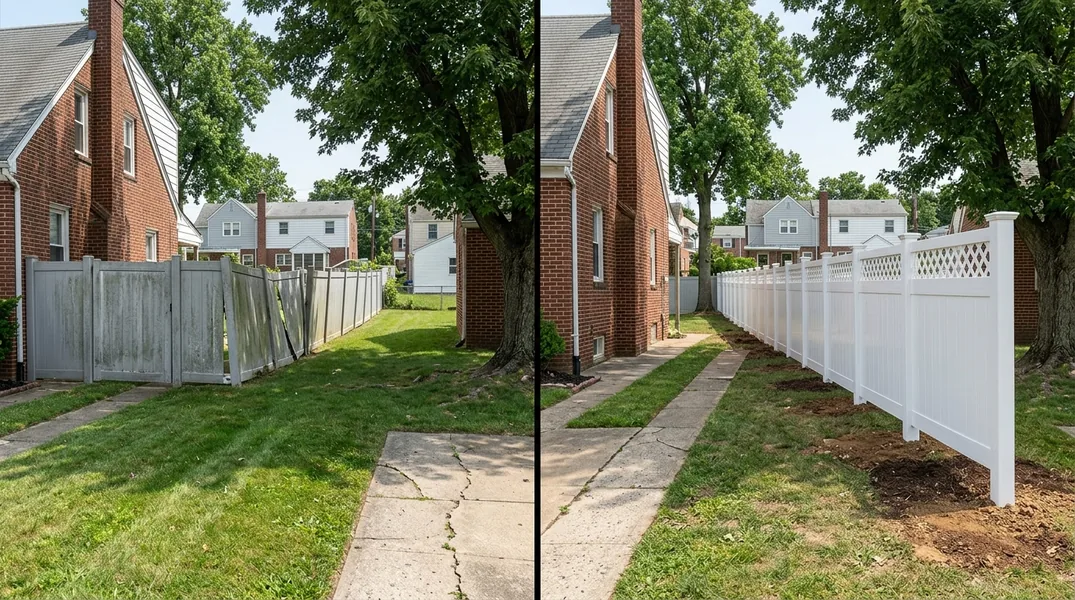
Understanding Fence Laws on Property Lines in Philadelphia
When you own a home in Northeast Philadelphia, especially in the post-war residential blocks that characterize much of the area, understanding fence laws becomes essential before you install any boundary barrier. The question of who pays for a fence between neighbors is one of the most common issues homeowners face, and the answer isn't always straightforward. Pennsylvania property law, which governs Philadelphia, doesn't have a statewide "good neighbor fence" law that mandates cost-sharing for boundary fences.
Instead, the responsibility for a fence on the property line depends on several factors, including your local ordinances, deed restrictions, and whether the fence already exists. If you're the first to build a fence between your property and your neighbor's, you are typically responsible for 100% of the cost. However, if a fence already exists and your neighbor wants to maintain or replace it, many jurisdictions expect both parties to split the expense equally. This is where the concept of a "good neighbor fence" comes in. It's an informal agreement between neighbors to share costs and maintenance responsibilities, though it's not legally binding unless documented in writing.
The Good Neighbor Fence: What It Means for Your Northeast Philadelphia Home
A good neighbor fence is more of a courtesy practice than a legal requirement in most of Pennsylvania. When neighbors agree to share the cost and upkeep of a fence that sits on the property line, they're essentially creating a mutually beneficial arrangement. This approach is especially valuable in densely populated post-war neighborhoods where homes are close together and boundary disputes can strain relationships. Before you invest in Wood & Privacy Fence Installation, it's wise to have a conversation with your neighbor about expectations, costs, and long-term maintenance.
If your neighbor refuses to contribute to a fence you want to build, you have the right to build it entirely at your own expense, but there's a catch: the fence must be built entirely on your side of the property line. Many homeowners in post-war blocks don't realize that a fence straddling the property line technically belongs to both parties, which can create legal complications down the road. Putting everything in writing, even a simple email agreement about cost-sharing and maintenance responsibilities, can prevent misunderstandings later. When you're ready to move forward, Philadelphia Fencing can help you understand your options and ensure your installation complies with local zoning codes.
Fence Options for Post-War Blocks: Materials That Work
Post-war residential blocks in Northeast Philadelphia typically feature modest lot sizes, narrow driveways, and homes built close to property lines. These constraints mean your fence choice matters not just for aesthetics but for practicality. Wood & Privacy Fence Installation remains the most popular choice for these neighborhoods, offering classic curb appeal and effective privacy screening. Wood fences blend naturally with the older architectural character of post-war homes and provide excellent sound dampening, which is valuable when neighbors are just feet away.
If you prefer lower maintenance, Vinyl & PVC Fence Installation offers durability without the need for staining or sealing every few years. Vinyl holds up well to Philadelphia's variable weather and won't rot or splinter. For homeowners seeking a more industrial or modern look, Chain Link Fence Installation provides an affordable, transparent option that doesn't block sightlines as much as solid panels. Some post-war neighborhoods even allow Aluminum & Ornamental Iron Fencing for front-yard applications, adding elegance while maintaining neighborhood character. Before selecting materials, check your local zoning ordinances and homeowners association rules, as some post-war blocks have specific guidelines about fence height, materials, and placement.
Property Line Surveys: Getting It Right Before Installation
One of the most critical steps before building any fence on the property line is obtaining a professional survey. Many disputes between neighbors arise because homeowners assume they know exactly where their property line sits, only to discover later that their fence encroaches on their neighbor's land. In post-war blocks where homes are tightly packed, even a small error can cause significant conflict. A licensed surveyor will establish your exact property boundaries and mark them clearly, giving you and your neighbor confidence that the fence is positioned correctly.
The cost of a survey typically ranges from a few hundred to over a thousand dollars, depending on your lot size and local conditions, but it's money well spent. Once you have a survey, you'll have legal documentation showing exactly where the property line sits. This protects both you and your neighbor and ensures your fence installation is done right the first time. When you're ready to discuss your project with Philadelphia Fencing, bring your survey with you. We can use it to ensure precise installation and help you navigate any property line questions. Call us at (267) 214-2199 to discuss how we can help with your Northeast Philadelphia fence project.
Wood & Privacy Fence Installation Cost in Philadelphia: What to Budget
Understanding the pricing for a new fence helps you plan your budget and make informed decisions about materials and design. For Wood & Privacy Fence Installation in post-war blocks, costs typically range from $25 to $50 per linear foot, depending on wood quality, height, and local labor rates. A 100-foot fence might therefore cost between $2,500 and $5,000 before accounting for site preparation, gates, or decorative elements. Vinyl fencing generally runs higher, from $30 to $60 per linear foot, but offers longer-term durability and lower maintenance costs. Chain link is more budget-friendly at $10 to $25 per linear foot, making it attractive for homeowners watching their expenses.
Several factors influence your final cost. Lot preparation, including removing old fencing or clearing vegetation, adds labor hours. The terrain in your post-war neighborhood matters too, particularly if your property slopes or has underground utilities. Gate installation, decorative post caps, and staining or sealing treatments all increase the total investment. If you're splitting costs with a neighbor under a good neighbor fence arrangement, you'll each pay roughly half, though you should clarify this in your written agreement beforehand. To get an accurate estimate tailored to your specific property and material preferences, contact Philadelphia Fencing for a free estimate.
Working With Your Neighbor: Communication and Documentation
The smoothest fence projects happen when neighbors communicate openly and document their agreements. Before you break ground on your fence, sit down with your neighbor and discuss the project. Share your plans, including materials, height, and timeline. Ask about their concerns and preferences, especially regarding privacy, aesthetics, and maintenance. In many cases, neighbors who feel included in the decision-making process are more likely to contribute to costs and help with upkeep. If you're planning to build on the property line and want to share costs, get your agreement in writing. A simple letter signed by both parties stating who pays what, who handles maintenance, and what happens if the fence needs repair or replacement can prevent years of conflict.
If your neighbor declines to participate financially, that's their right, but document that decision too. Build the fence entirely on your property, ensuring it doesn't cross the property line. Keep records of all expenses, photos of the installation, and correspondence with your neighbor. If a dispute arises later, these documents protect your interests. Philadelphia Fencing has helped countless Northeast Philadelphia homeowners navigate these conversations and install fences that satisfy both parties. We understand the unique challenges of post-war neighborhoods and can offer practical advice. Reach out at (267) 214-2199 or visit our website to discuss your project and get started on the right foot.
Looking for a professional tree service in Philadelphia? Philadelphia Fencing responds fast for all your fence needs.
Get a Free Quote